Best Red Light Therapy Panels
Ranked on specs that survive method-checking: per-wavelength density, irradiance stated with its measurement instrument, and buyer terms without fine-print fees.
Our top red light panels
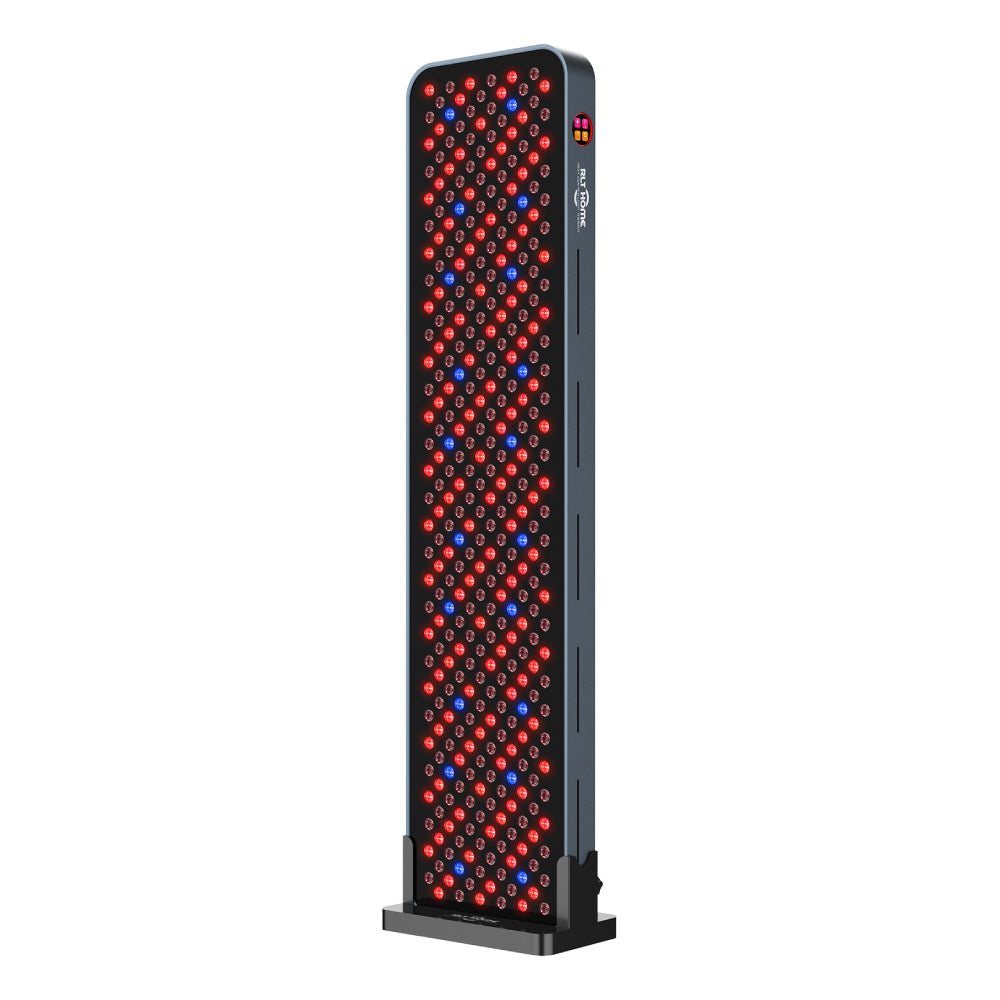
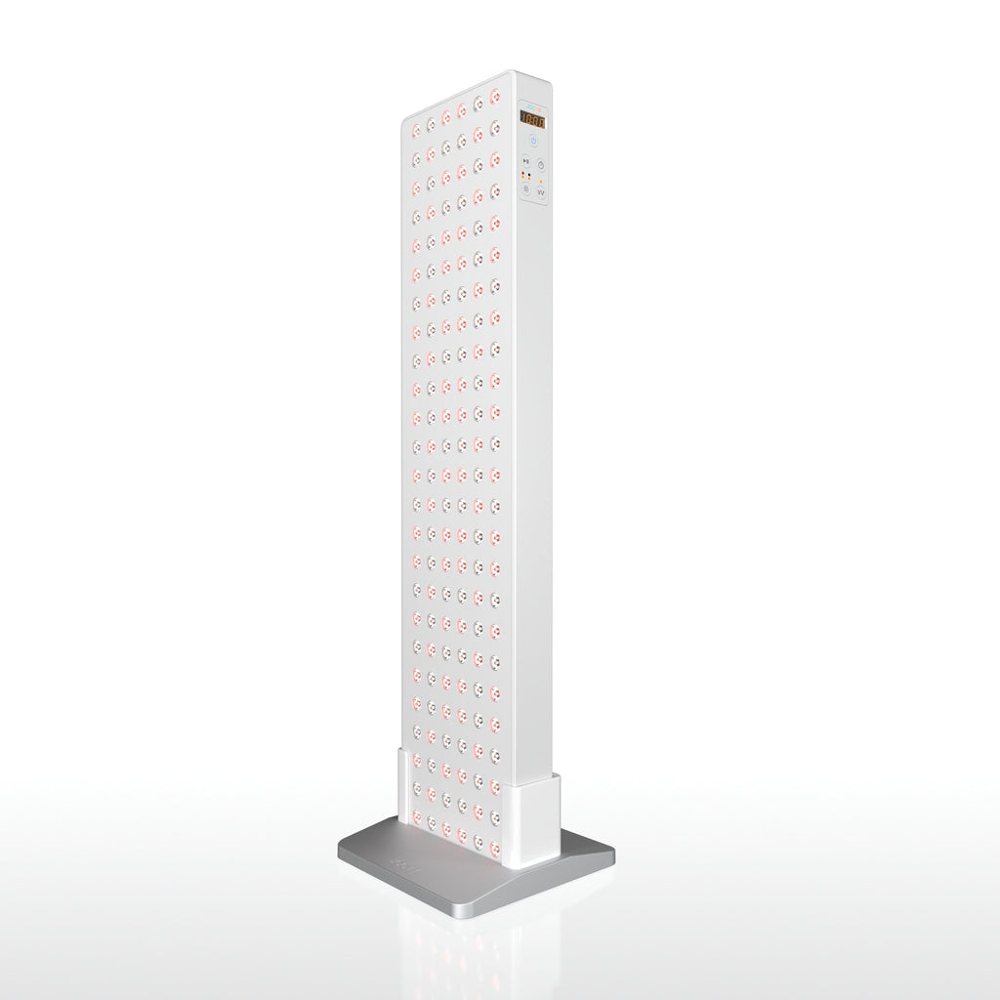
Seven wavelengths on one panel including 14% at 1064nm deep infrared, with the full density breakdown published
Check price →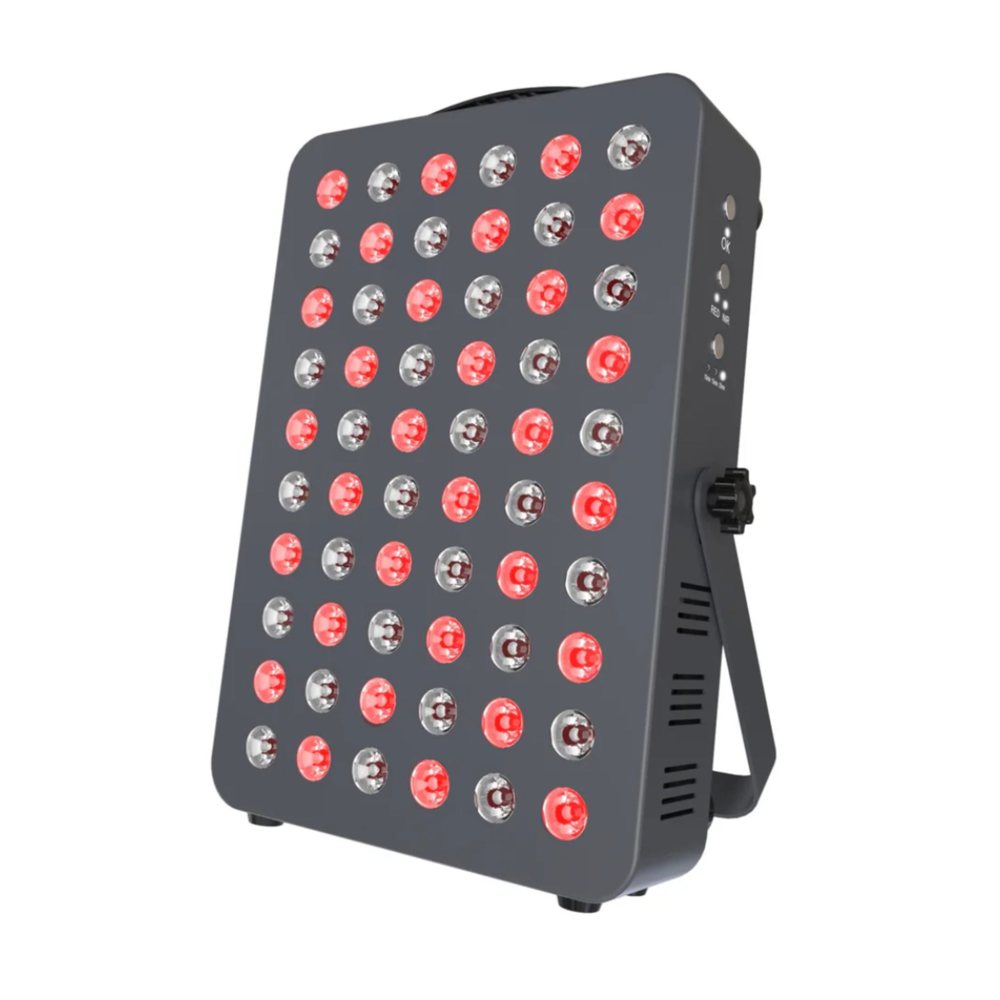
The most credible cheap entry into red light therapy: $199 as ranked, with the smaller HG200 from $149
Check price →How this ranking is built
Most "best panel" lists rank on the number a brand prints on its own box. This one does not. Every panel in the 188-device database is scored on specifications that survive method-checking: per-wavelength density where it is published, irradiance stated with the instrument that measured it, and buyer terms read out of the fine print rather than the headline. No brand pays for a position, and the affiliate disclosure applies to every outbound link without changing a grade.
The single biggest correction this ranking applies is to irradiance. Independent spectrometer testing repeatedly lands far below the marketed figure, because a solar power meter reads roughly double what a laboratory spectrometer records on an LED panel. In our brand research, PlatinumLED's BIOMAX 900 measured about 90 mW/cm² against a 185 claim, and a Hooga ULTRA measured about 74 against 132. A handful of brands publish numbers that are simply implausible for the hardware. So a big headline irradiance number counts against a panel here unless the brand states how it was measured, and honestly low, spectrometer-verified figures, like BioLight's or CytoLED's, are treated as a mark of transparency rather than weakness.
The second lens is regulatory honesty. No rectangular red light panel is FDA-cleared; the strongest real status is FDA-registered, which is only a listing. Brands that stamp "FDA cleared" on a panel with no verifiable clearance number are flagged on their pages and do not get credit for it here. Read the full reasoning in our FDA explainer.
The ranking
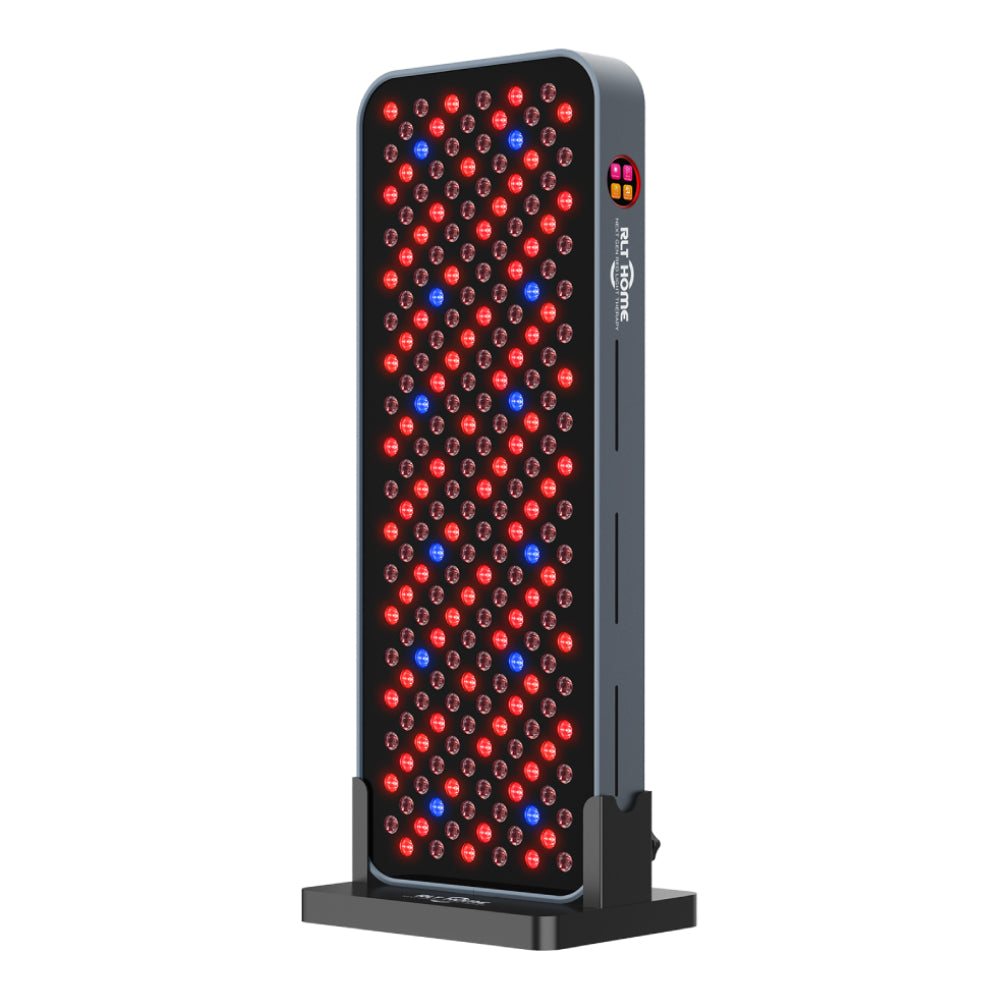
RLT Home Total Spectrum MAX
- Seven wavelengths on one panel including 14% at 1064nm deep infrared, with the full density breakdown published
- Independently lab-tested: 100.5 mW/cm² at 6 inches on an Electropossible spectrometer, with a LightLab International report also published
- 60-day trial, no restocking fee, stand and two sets of eye protection included, free custom usage plan
Hooga HG300
- The most credible cheap entry into red light therapy: $199 as ranked, with the smaller HG200 from $149
- Simple two-wavelength 660/850nm single-chip design
- 60-day window and 3-year warranty at a starter price
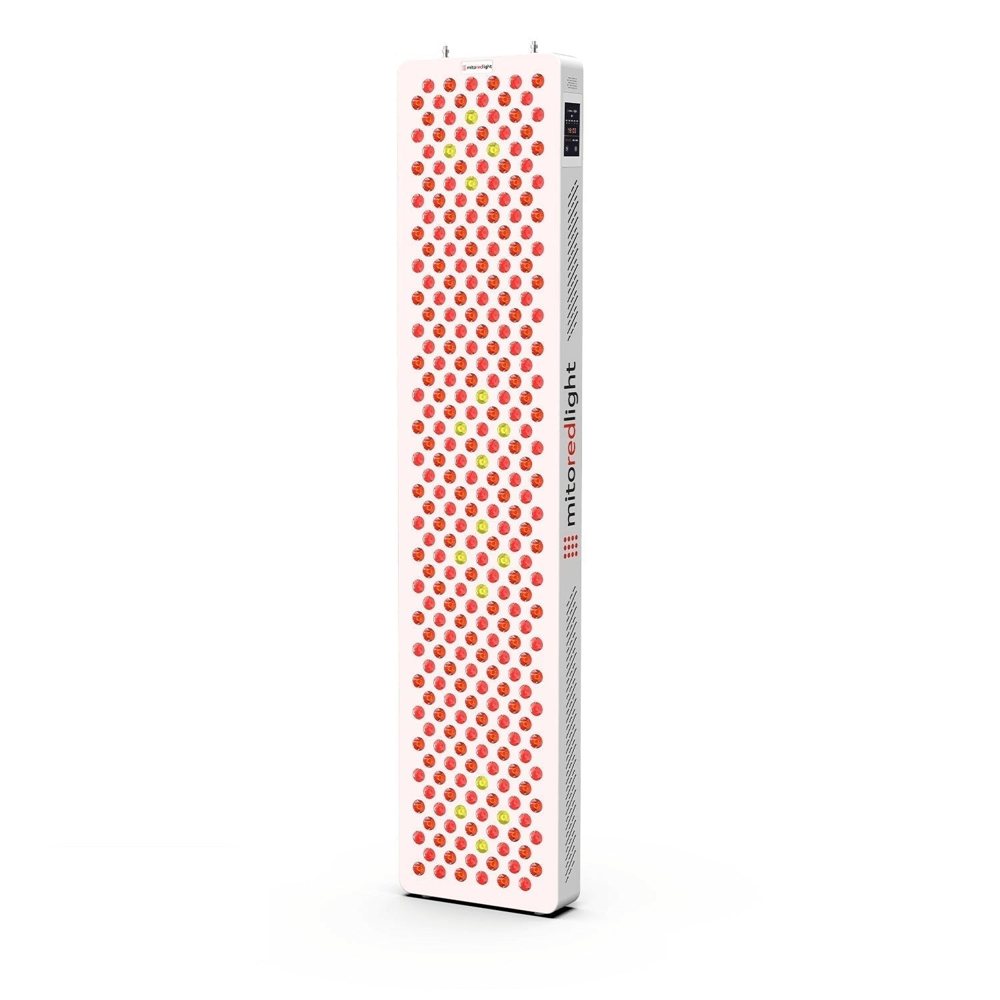
MitoPRO 1500X
- Six wavelengths with published density, 810nm and 830nm both at 17%
- Dual-publishes a spectroradiometer figure alongside its marketing number
- No 1064nm anywhere in the lineup; stand sold separately
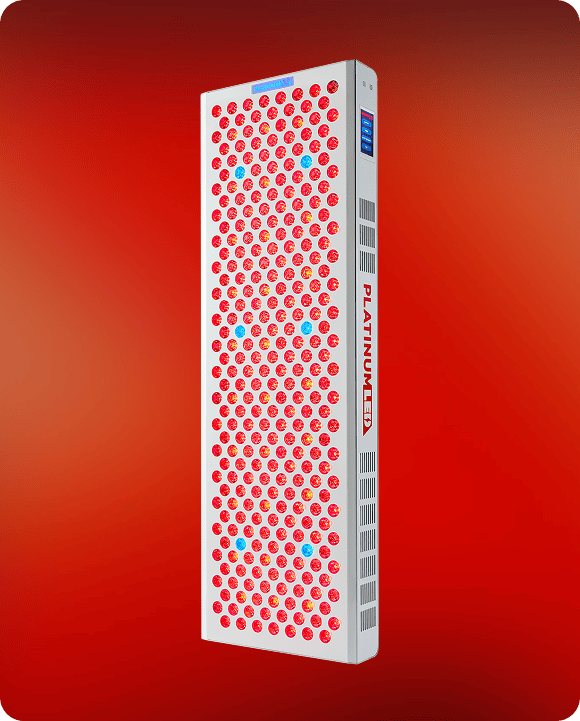
PlatinumLED BioMax 900 (classic 9th gen)
- Established brand with 15+ years in the category and modular multi-panel expansion
- Independent testing found roughly 80% of output concentrated in 660nm and 850nm
- 20% restocking fee on elective returns; stands cost extra
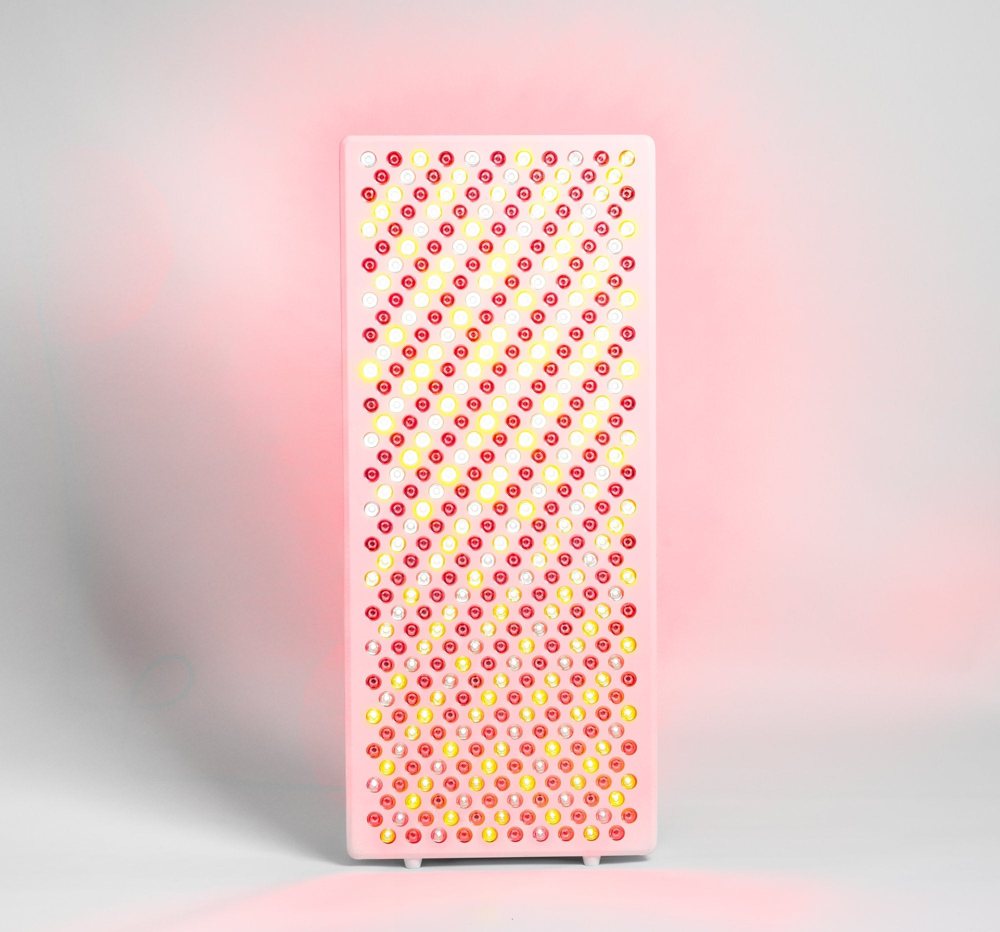
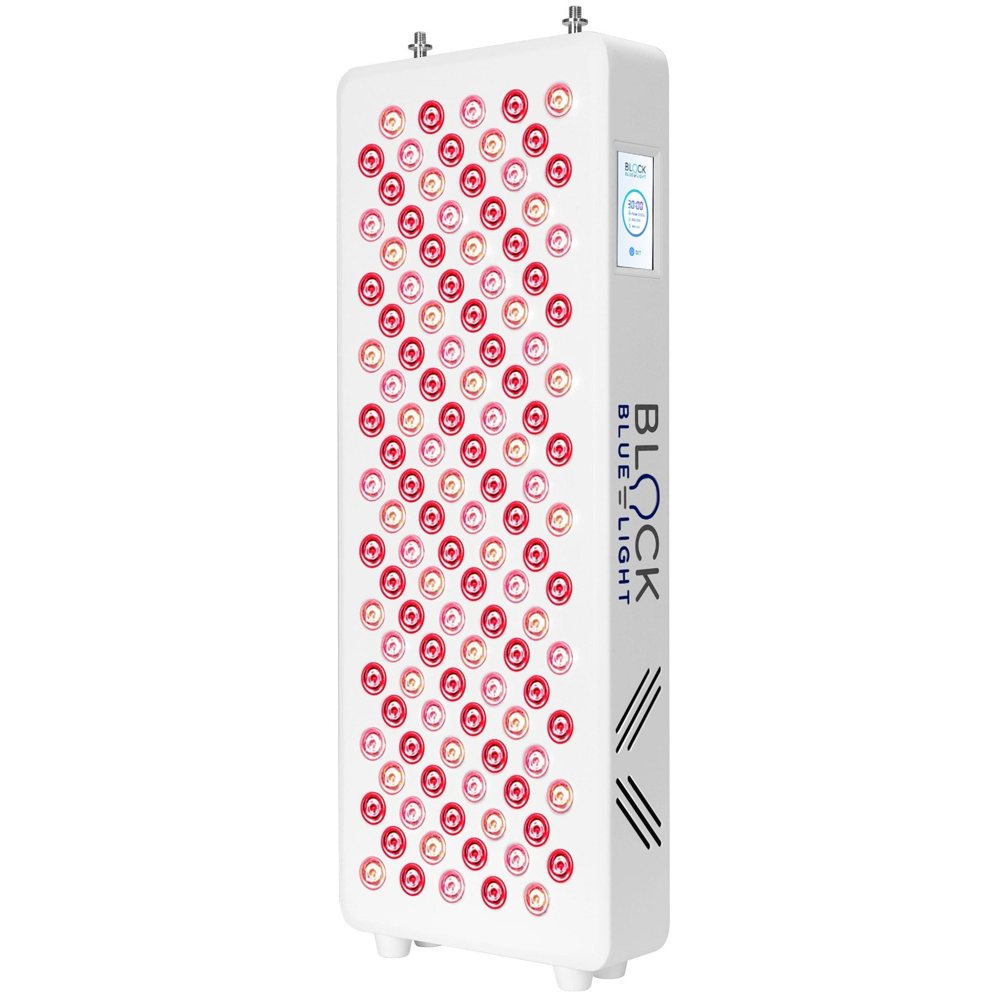
BlockBlueLight PowerPanel MEGA PLUS
- Publishes both solar meter and spectrometer figures, a dual disclosure most brands avoid
- 7 wavelengths with published density including 9% at 1060nm
- 30-day trial is shorter than the 60-day category norm; 5-year warranty is longer
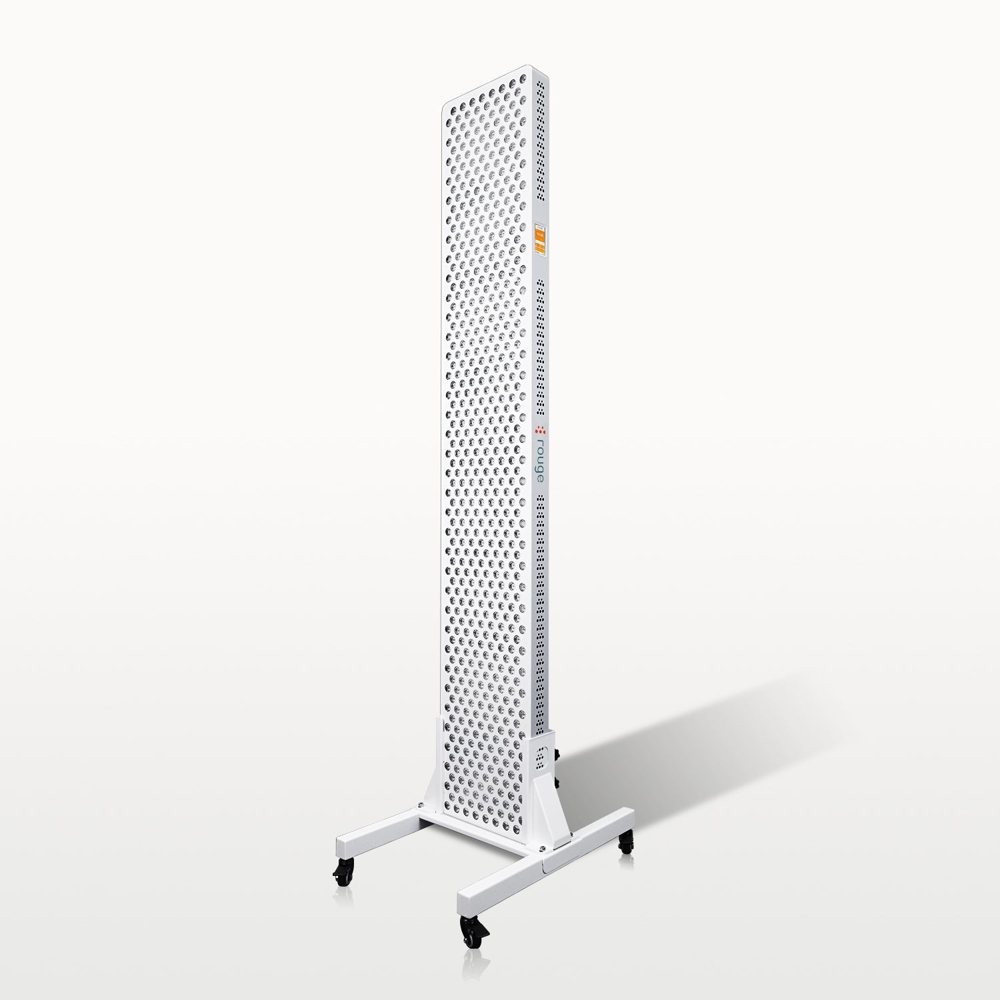
Rouge Max G4
- Publishes both instruments up front: 164 mW/cm² solar meter and 90 mW/cm² spectrometer at 6 inches, backed by an integrating-sphere lab report
- Eight wavelengths from 630 to 1060nm across 576 LEDs, with a 60-day return window and no restocking fee on panels
- Per-wavelength allocation is not published, a stand costs extra, and return shipping is the buyer's cost
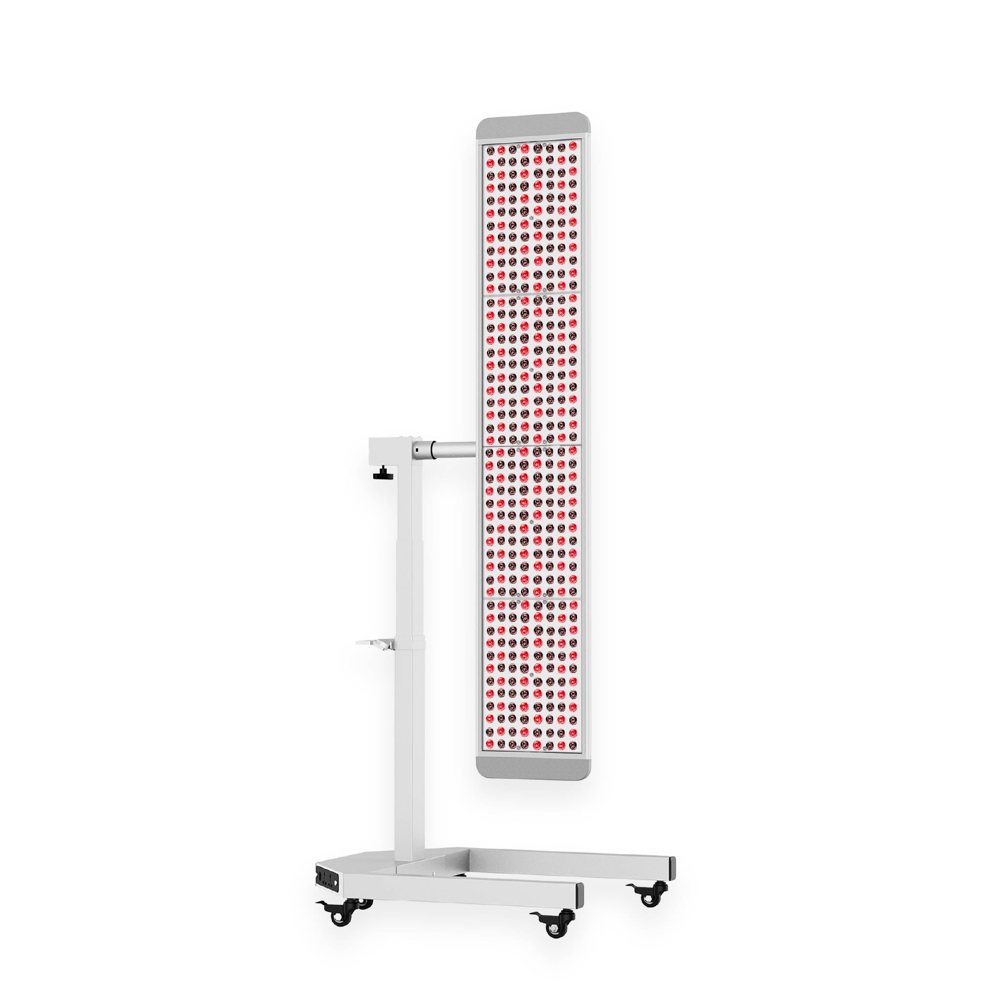
Helio Blaze
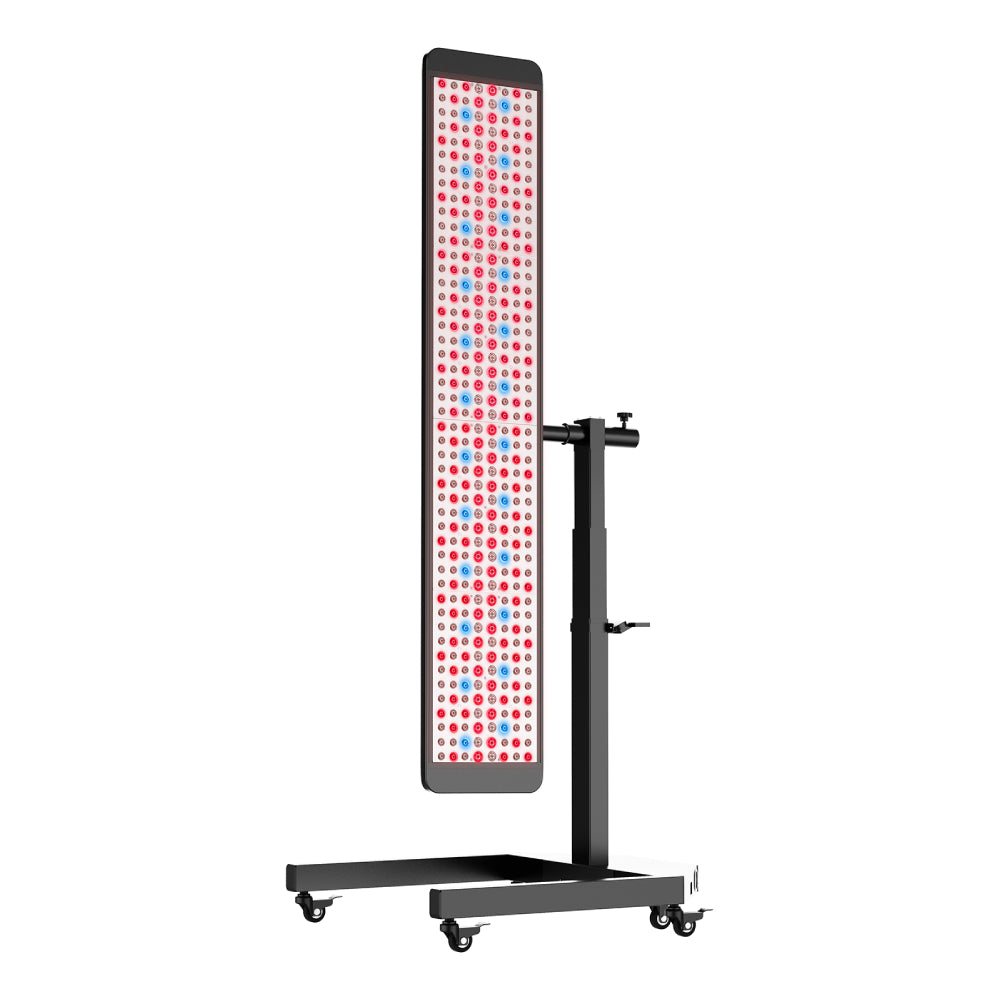
- 16.7% of its 480 LEDs sit at 1064nm deep infrared, the highest 1064nm share in this top 10, with the full density table published
- 64.3-inch tall panel with a rolling stand included and a 60-day return window
- Output figures are catalog values: LightLab physically tested only the smaller Glow, and the brand quotes irradiance at 12 inches, not comparable to 6-inch numbers
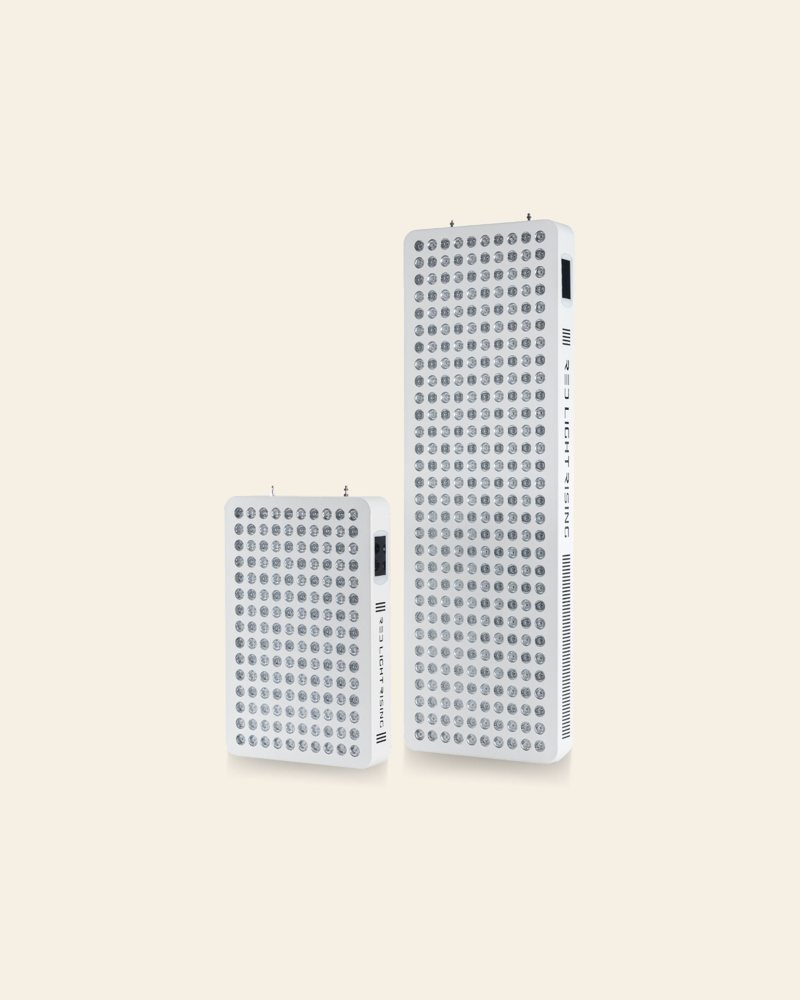
Red Light Rising Advantage 900
- Publishes its own spectrometer measurements (Hopoocolor OHSP-350F) instead of a marketing number; independent testing recorded 106 peak / 75 average mW/cm²
- LED split published to the diode: 30x 630nm, 120x 660nm, 20x 810nm, 20x 830nm, 110x 850nm across 300 LEDs
- No 1064nm-class band anywhere in the lineup, the warranty is not verified in our record, and return shipping is the customer's cost
Joovv Solo 3.0
- App-controlled modes (pulsed Recovery+, Ambient, Wake) on a modular system that scales from the Solo up to the 900-LED Elite
- Independent spectrometer data exists for this exact panel: 72.4 peak / 59.2 average mW/cm² at 6 inches
- Two wavelengths only (660/850nm) at a $1,699 premium; the brand's at-surface irradiance claim names no instrument, and the warranty is 2 years
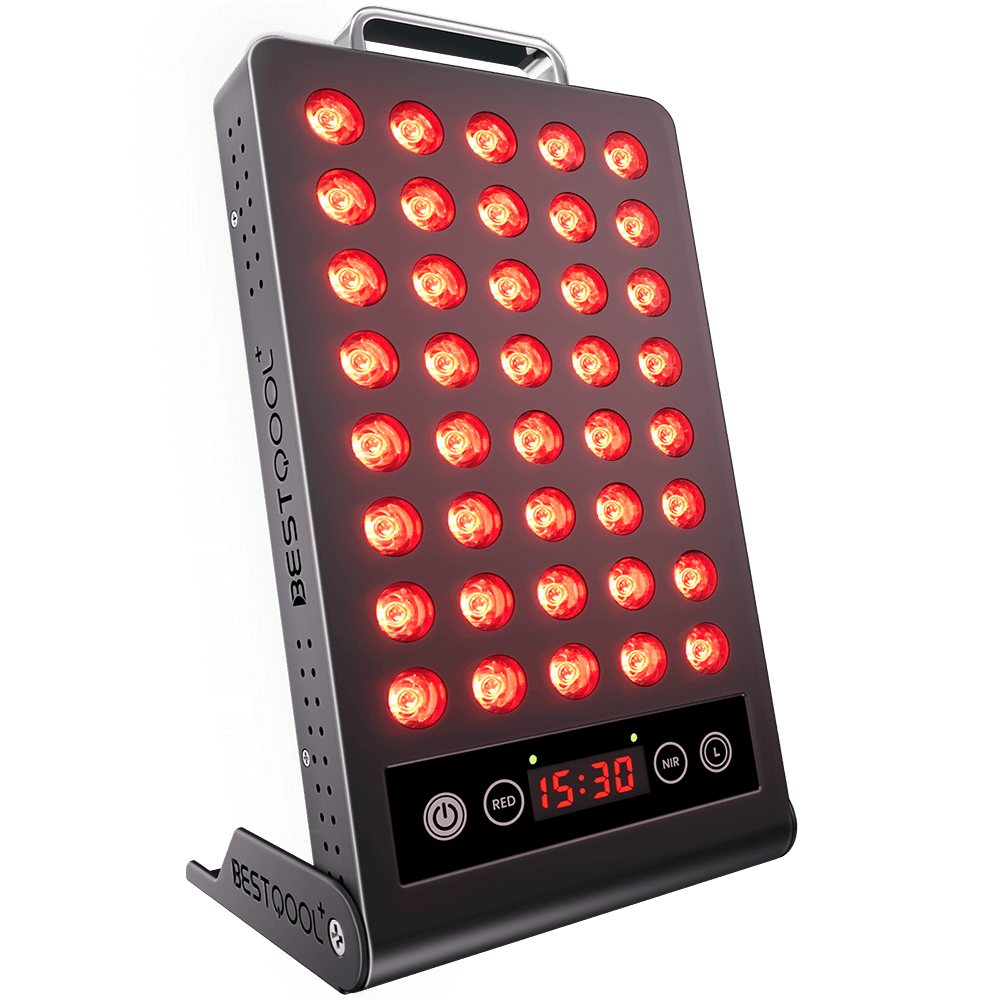
Bestqool BQ40
- At $109, the lowest verified price in the database, with a simple 40-LED 660/850nm design
- Irradiance is stated as 70 mW/cm² at 3 inches with no instrument named, which is not comparable to 6-inch figures
- 30-day return window from delivery, shorter than the 60-day norm; the prepaid label cost comes off the refund; 2-year warranty
Compare all 188 panels in the database
Every device, every spec, every irradiance figure labeled with its measurement method.
Frequently asked questions
What is the best red light therapy panel overall?
On the combination of wavelength coverage, published density, method-stated irradiance, and buyer terms, the RLT Home Total Spectrum MAX currently scores highest in this index. The Hooga HG300 is the best budget entry and the MitoPRO 1500X is the strongest app-connected mid-range pick.
Why do you flag the irradiance measurement method?
Because solar power meters read roughly double what a laboratory spectrometer records on LED panels. Comparing a solar figure to a spectrometer figure is comparing two different instruments, not two panels. Every figure in this index is labeled.
Are any of these panels FDA approved?
No home red light therapy panel is FDA approved or FDA cleared for a medical indication. Panels are at most FDA-registered, which is a listing. Brands that say "medical grade" are describing marketing positioning, not a regulatory category.
Latest best articles
Best Red Light Panels Under $1,000: Ranked on Specs
Red light panels from $500 to $1,000, ranked on method-labeled irradiance, published wavelength density, coverage, price, warranty and trial terms.
Best Multi-Wavelength Red Light Panels (5+ Bands)
Panels with five or more wavelengths, ranked on published per-wavelength density, method-labeled irradiance, price, warranty and trial terms.
Best First Red Light Panel for Beginners
A first-purchase ranking on price, trial length, coverage and method-labeled irradiance, with the mistakes that cost beginners the most.
Best Red Light Panels Under $500: Ranked on Specs
Red light panels priced under $500, ranked on method-labeled irradiance, coverage, price with verification date, warranty and trial terms.
Best Red Light Panels for Joint Pain and Arthritis
Four panels ranked on NIR share at 810 to 850nm and 1064nm, named-instrument irradiance, and fit for a single knee or shoulder, from $1,095 to $2,799.
Best Red Light Devices for Hair Growth
The trial evidence for hair growth comes from dedicated scalp caps, not panels. This site's database tracks no caps, so here is how the panels rank.
Highest-Irradiance Red Light Panels (Method-Labeled Only)
Four panels ranked on spectrometer-measured irradiance, not marketing claims, with why a bigger number does not always mean a better session.
Best Red Light Panels for Athletes and Muscle Recovery
Panels ranked for athlete recovery on published 810-850nm near-infrared density, method-labeled irradiance for standing use, coverage and price.
Best Red Light Panels for Skin and Anti-Aging
Panels ranked for facial and skin use on published 630-660nm plus 830nm density, method-labeled irradiance, and buyer terms.
Best Red Light Therapy Panels With 0% Financing
Which red light panel brands offer 0% financing or buy now pay later (Affirm, Shop Pay, Klarna, Afterpay), what their terms say, and our top three, ranked on how clearly the financing is stated and on published specs and terms.
Best Red Light Therapy Panels by Warranty Length
Every red light therapy panel brand's warranty, read on its own site - length, what is covered, who pays claim shipping, registration and prorating traps - with every panel warranty longer than 3 years ranked, and the best of the 3-year brands.
Best Red Light Panels: Free Trial, No Restocking Fee
Which red light therapy panel brands offer a real home trial - the return window, restocking fees, who pays return shipping, condition rules and open-box traps, read on each brand's own site - with the five best trial policies ranked on the terms alone.
Best Red Light Panels With Military and Service Discounts
Which red light therapy panel brands run verified discount programs for military, veterans, first responders, healthcare workers, teachers, students and seniors, how much they take off, how to verify (ID.me, GovX ID, VerifyPass), and every program with a stated percentage ranked.
Best HSA/FSA Eligible Red Light Therapy Panels
Which red light panel brands take HSA/FSA payment, how the letter of medical necessity works, and three award picks plus a deep-tissue option compared on specs and terms.
For a worked walkthrough of how these four fields turn into the ranks above, including why an honestly low, spectrometer-verified irradiance figure can outrank a higher, unlabeled claim, see how the rankings on this site are computed.
By price tier, see the best panels under $500 and the best panels under $1,000, ranked on the same database fields.
Methodology: Rankings weigh measured or method-stated irradiance, wavelength coverage and published density, buyer terms (trial, restocking, stand, warranty), and value per LED. No brand pays for a position. Full methodology.