Red Light Therapy at Home: the Practical Setup Guide
The home picks, ranked
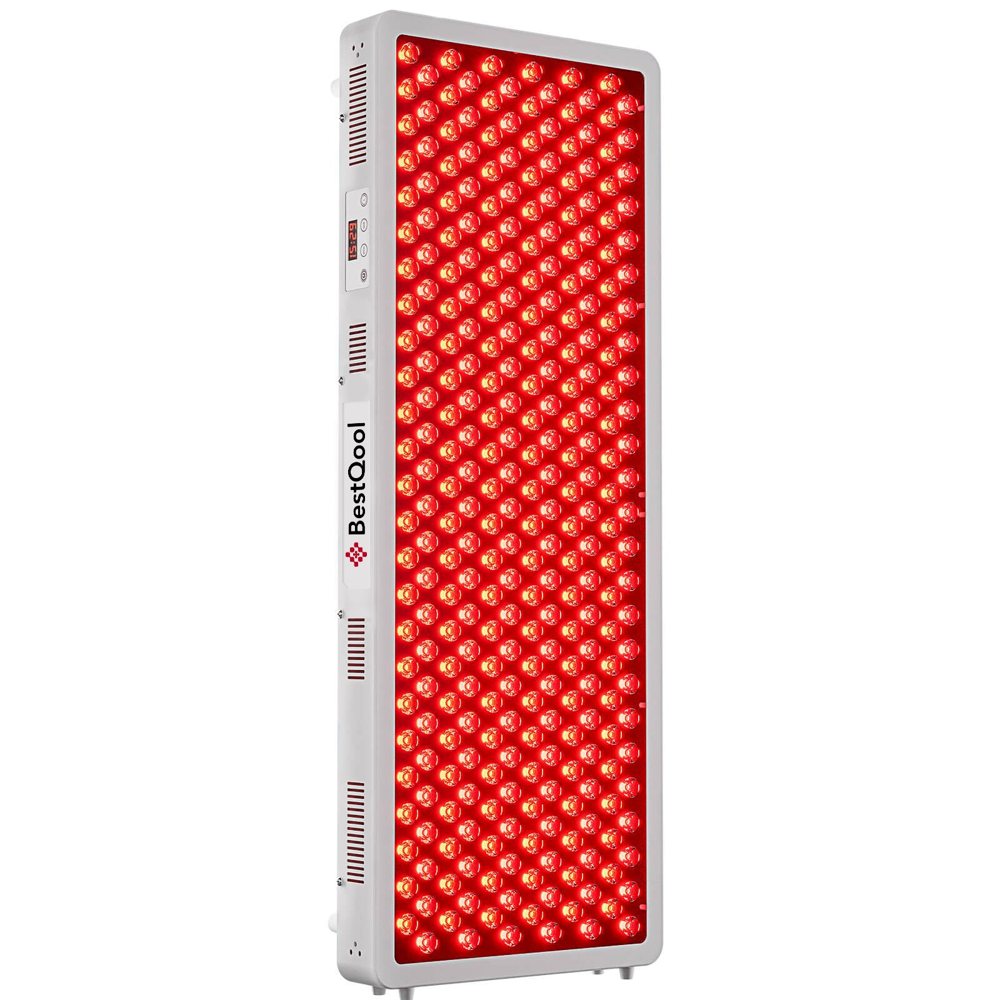
#1 Bestqool Pro300 ($899)
300 LEDs across 630, 660, 850 and 940nm in a 36 x 13.5 in panel, the lowest price of the three. The brand's 106 mW/cm² figure is taken at 3 inches with no instrument named, so it is not comparable to 6-inch numbers. 30-day return window, 2-year warranty, stand sold separately.
Pro300 specs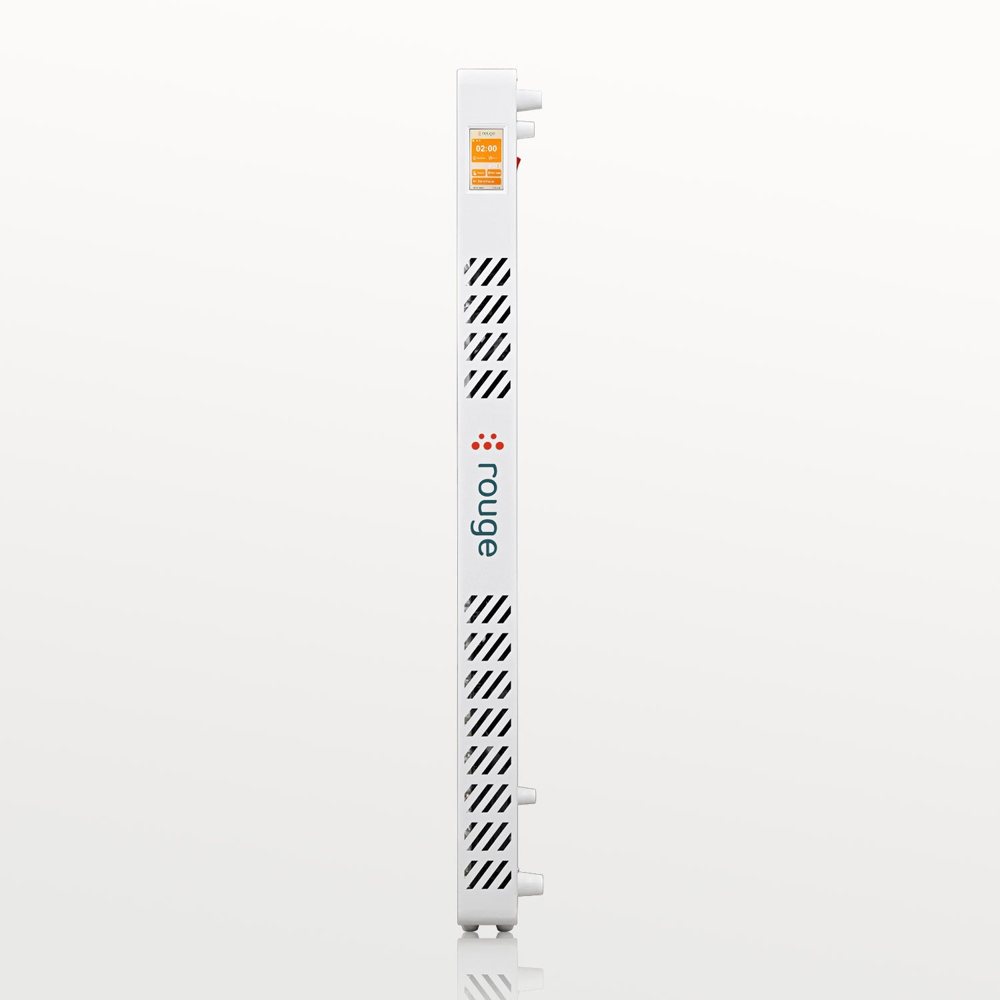
#2 Rouge Pro G4 ($1,196)
288 LEDs and eight bands from 630 to 1060nm, spread evenly. Rouge publishes both a solar meter figure (164) and a spectrometer figure (90 mW/cm²) at 6 inches. 60-day return counted from purchase, 3-year warranty, stand sold separately.
Pro G4 specs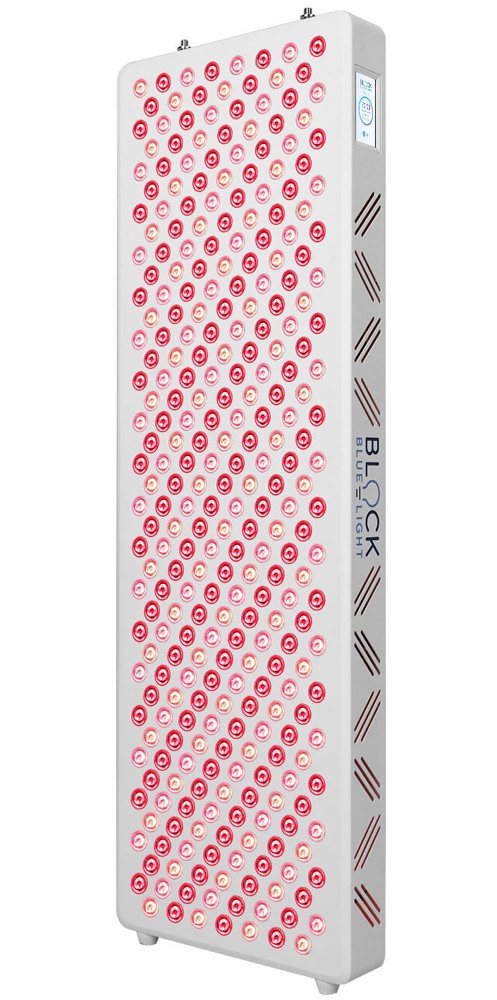
#3 BlockBlueLight PowerPanel MEGA ($1,500)
300 dual-chip LEDs over five bands, dual-disclosed irradiance, and an independent spectrometer test on file (Light Therapy Insiders: 105 peak, 81 average mW/cm² at 6 in). 5-year warranty; the return window is 30 days and sale purchases are store credit only.
PowerPanel MEGA specsFive fields to check before buying
Every device page on this site shows the same fields, and five of them settle most home purchases. Irradiance with its method and distance, because session length is calculated from it and an unlabeled figure cannot be used. Wavelengths, matched to the goal through the evidence pages. Panel size, because it decides how many positions a session needs. Whether the stand is included, since several brands sell it separately and the real price changes. And the trial window and restocking fee, because a panel that turns out to be the wrong size is only returnable if the policy allows it. The brand comparisons put these fields side by side for two brands at a time.
Where to put it
Panels are used standing, seated, or lying down, and the mounting decides which. A door hook or wall mount suits standing sessions and costs nothing in floor space; a floor stand allows height adjustment for seated use and is the usual route to lying-down sessions with a tall panel; a tabletop stand works for face and hands only. Whatever the mount, the distance to the skin has to be the same every session, because irradiance falls quickly with distance and a session planned at 6 inches delivers a different dose at 12. Mark the position once and keep it.
The session protocol
Distance 6 to 12 inches. Duration 10 to 20 minutes per area. Frequency 3 to 5 sessions weekly; consistency across weeks beats any single long session. Bare skin, eye protection for high-output panels, and note the biphasic dose response: more is not automatically better. Run the numbers in the dose calculator.
Frequently asked questions
How often should I do red light therapy at home?
Most protocols land at 3 to 5 sessions per week, 10 to 20 minutes per treated area, evaluated over 8 or more weeks.
How far should I stand from the panel?
Six to twelve inches for most panels. Closer raises intensity for deep targets; farther widens coverage for skin work.
Methodology: rankings weigh measured or method-stated irradiance, wavelength coverage and published density, buyer terms (trial, restocking, stand, warranty), and value per LED. No brand pays for a position. Full methodology.