Best Full Body Red Light Therapy: What Actually Covers a Body
The full-body picks, ranked
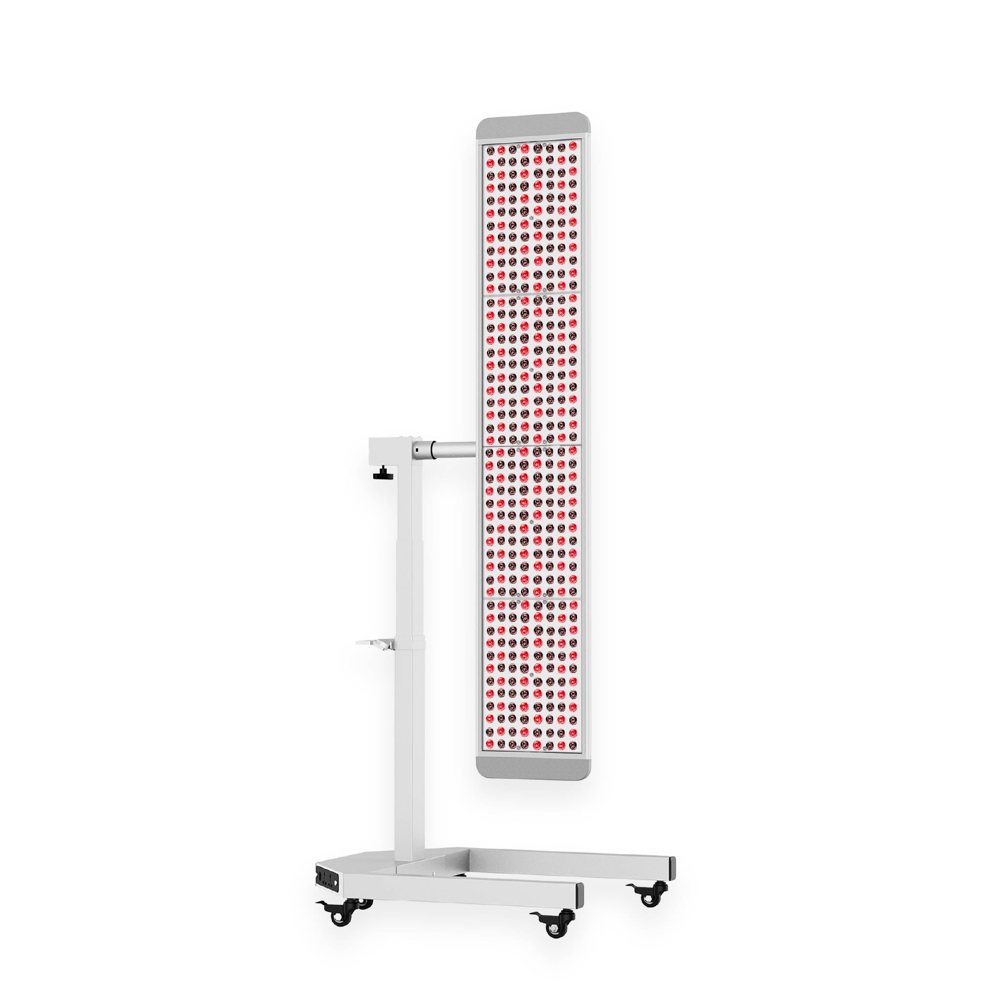
Helio Blaze
- 64.3 x 11.8 in single panel covers an adult lying down, no modular assembly
- Six bands with published allocation, including 16.7% of LEDs at 1064nm; rolling stand included on the Blaze
- The 71 mW/cm² at 6 in figure is a catalog number extrapolated from a LightLab test of the smaller Glow, so treat it as brand-stated
- 60-day trial from delivery, no restocking fee, 3-year warranty
Why size, not LED count, decides this list
LED count and wattage say how much light a panel emits in total; they do not say how much of a body it covers. Two panels with 300 LEDs can differ by a factor of two in height, and the shorter one treats half the body per position. That is why the ranking here starts from the panel's recorded dimensions and only then looks at irradiance and terms. The dimensions of every model are on its device page and in the panel database; where a brand publishes them in millimeters they are recorded as published. Note that connecting several panels, which most brands allow, widens coverage without raising intensity anywhere, so the irradiance figure of a single panel is the one to feed into the dose calculator.
How this list is ranked
Every pick is scored on database fields only, the same fields for every brand; see how rankings work.
| Criterion | What counts |
|---|---|
| Panel height and width | Recorded dimensions; about 64 by 12 inches covers an adult lying down in one position |
| Stand | Whether a floor or motorized stand is included or sold separately, which changes the all-in price |
| Irradiance with method | Spectrometer figure at a stated distance |
| Wavelengths and density | Bands listed and the published share of power in each |
| Buyer terms | Trial window, restocking fee, warranty |
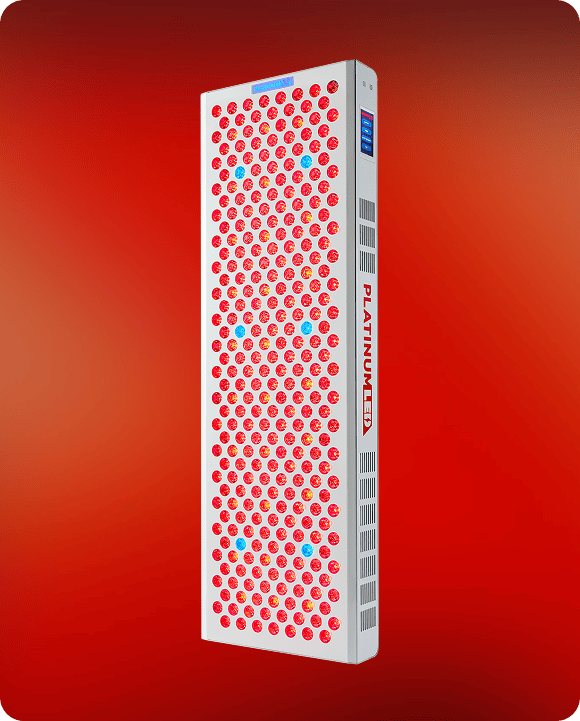
PlatinumLED BioMax 900 (classic 9th gen)
- Modular expansion up to 4 panels for wider coverage
- A true lie-down setup requires two panels plus a motorized stand, which roughly doubles the sticker price
- Strong brand track record
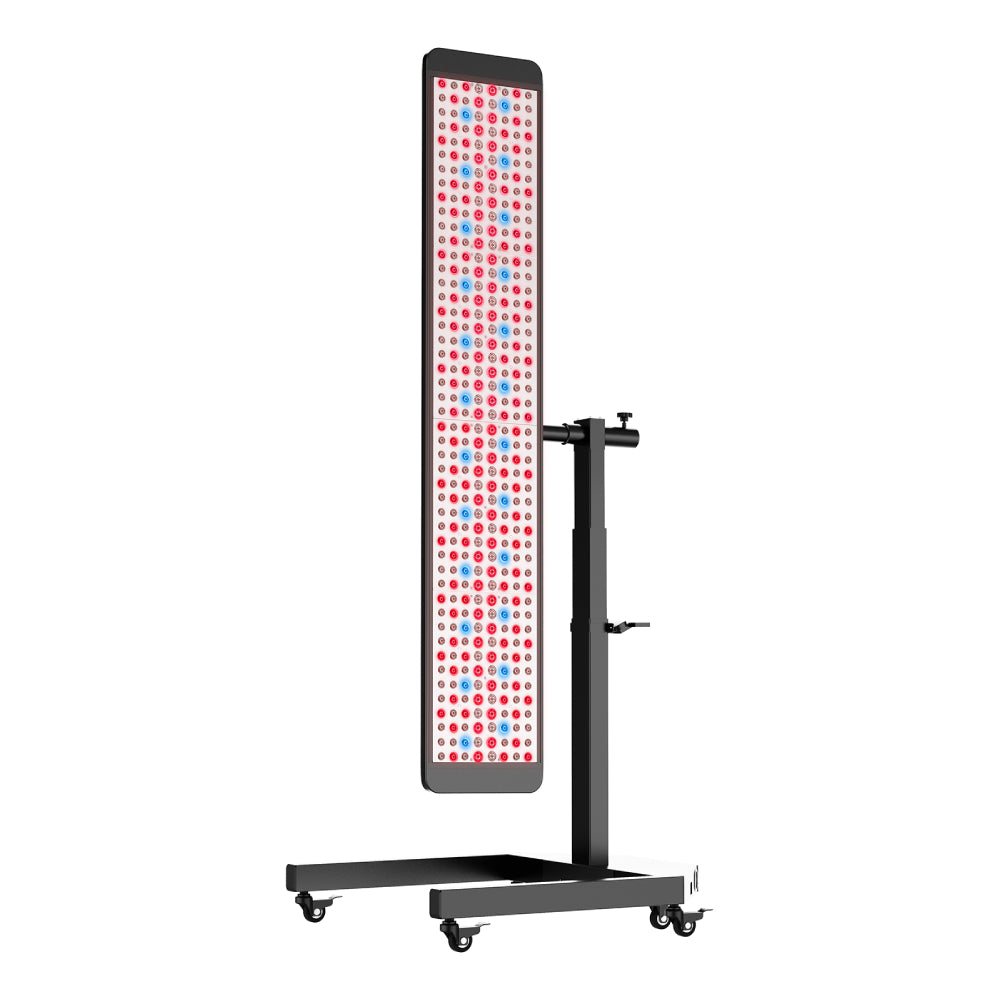
RLT Home Total Spectrum ULTRA
- 64.3 x 11.8 in single panel, the same footprint as the top pick, with a motorized electric stand in the price
- Seven bands with published density, 14% of LEDs at 1064nm
- Lab-tested 119.3 mW/cm² at 6 in (Electropossible spectrometer); the tests were commissioned by the brand
Frequently asked questions
What size panel is truly full body?
About 64 inches tall and at least 12 inches wide for lie-down coverage. Shorter panels treat half the body per position; narrower panels cannot cover body width at any quantity.
Does connecting multiple panels increase power?
No. Linking panels increases coverage area, not the irradiance reaching any single spot. Intensity per panel stays the same.
Panel size matters here for the same reason two panels can post nearly identical peak irradiance readings and still deliver very different total output once their emitting area differs, a gap explained in irradiance vs total power.
The closest clinical evidence for treating the whole body at once is a triple-blinded trial of a whole-body LED bed in fibromyalgia, and it is worth reading with the gap in mind: that bed surrounds the body from multiple angles at once, while even the largest panel here illuminates one side at a time. The fibromyalgia evidence page covers that trial alongside the rest of the condition's literature and grades it Moderate overall.
A reader shopping specifically for training and recovery use, standing distance, near-infrared density in the 810 to 850nm band, may want the narrower athlete recovery panel picks instead of this general full-body ranking.
Methodology: rankings weigh measured or method-stated irradiance, wavelength coverage and published density, buyer terms (trial, restocking, stand, warranty), and value per LED. No brand pays for a position. Full methodology.