Red Light Therapy for Neuropathy: What the Evidence Shows
Evidence grade: Moderate
How red light therapy acts on neuropathy
Peripheral neuropathy, most commonly from diabetes, involves nerve damage compounded by poor microcirculation and oxidative stress in the affected tissue. Photobiomodulation targets that supporting environment rather than regrowing nerves directly: near-infrared light absorbed by cytochrome c oxidase (Hamblin, PMC5523874) improves local blood flow through nitric oxide release and lowers the oxidative burden, which can ease the burning, tingling, and numbness that define the condition.
Because the effect is on circulation and the inflammatory environment around the nerve, benefits are symptomatic and gradual, and they depend on light actually reaching the affected depth, which is why near-infrared rather than surface red is the relevant band.
What the studies show
| Study | Design | Finding |
|---|---|---|
| PMID 40090424 (J Photochem Photobiol B, 2025) | Single-blinded RCT, n=200, 632.8nm helium-neon laser, diabetic peripheral neuropathy | Improved neuropathy symptoms vs control; notable sample size for the field |
| PMC5523874 (Hamblin) | Mechanism review | Anti-inflammatory signaling and nerve-relevant cellular effects described |
Diabetic neuropathy, large single-blinded RCT (PMID 40090424, n=200)
This is an unusually well-powered trial for the field: 200 participants, a 632.8nm laser, single-blinded, reporting improved neuropathy symptoms. The sample size is what makes it notable, since most photobiomodulation trials are small. It supports symptomatic benefit but does not claim to reverse the underlying nerve damage.
Which wavelengths do the work
Nerves in the feet and hands sit below skin and connective tissue, so the useful wavelengths are near-infrared, 810 to 850nm, with 1064nm-class light reaching deepest. Surface reds at 630 to 660nm are largely absorbed before they reach the nerve and are not the working band for this use. On a panel, look for real near-infrared density rather than a long wavelength list.
Dosing: distance, time, and frequency
Typical home parameters are 6 to 12 inches, 10 to 20 minutes over the affected area, several sessions weekly, judged over 8 or more weeks. Sensation is an unreliable guide in neuropathy because the area may be numb, so follow the time and distance rather than warmth, and keep within the biphasic window rather than overdosing.
How it compares with conventional options
Compared with gabapentinoids and duloxetine, red and near-infrared light has no systemic side-effect load and can be combined with them. It is also less proven and more modest, and for diabetic neuropathy specifically, glycemic control remains the foundation. Treat light as a low-risk adjunct discussed with the clinician managing the underlying condition.
Which panel features matter for neuropathy
The trial used a red-band laser; home panels extrapolate. Feet and hands are shallow targets, so red plus near-infrared coverage both plausibly contribute. Anyone with diabetic neuropathy should treat this as an adjunct discussed with their clinician, never a replacement for glucose management.
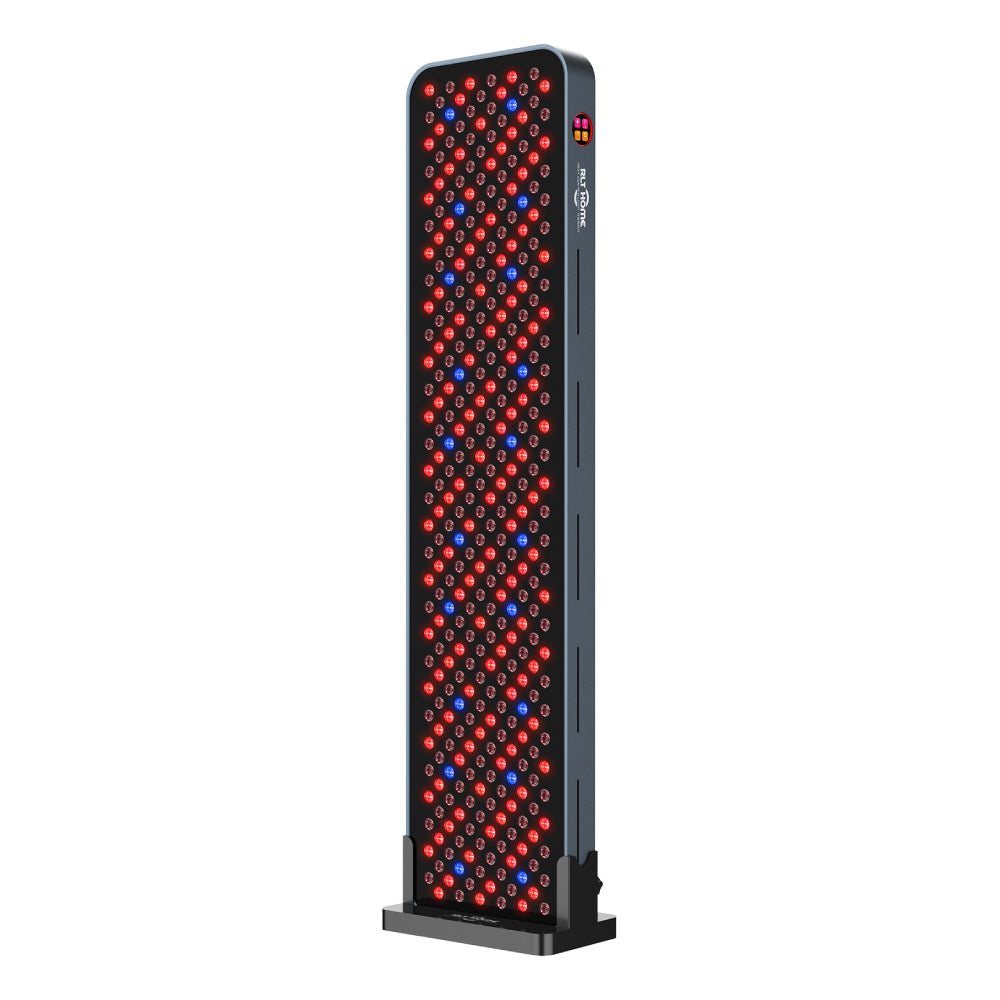
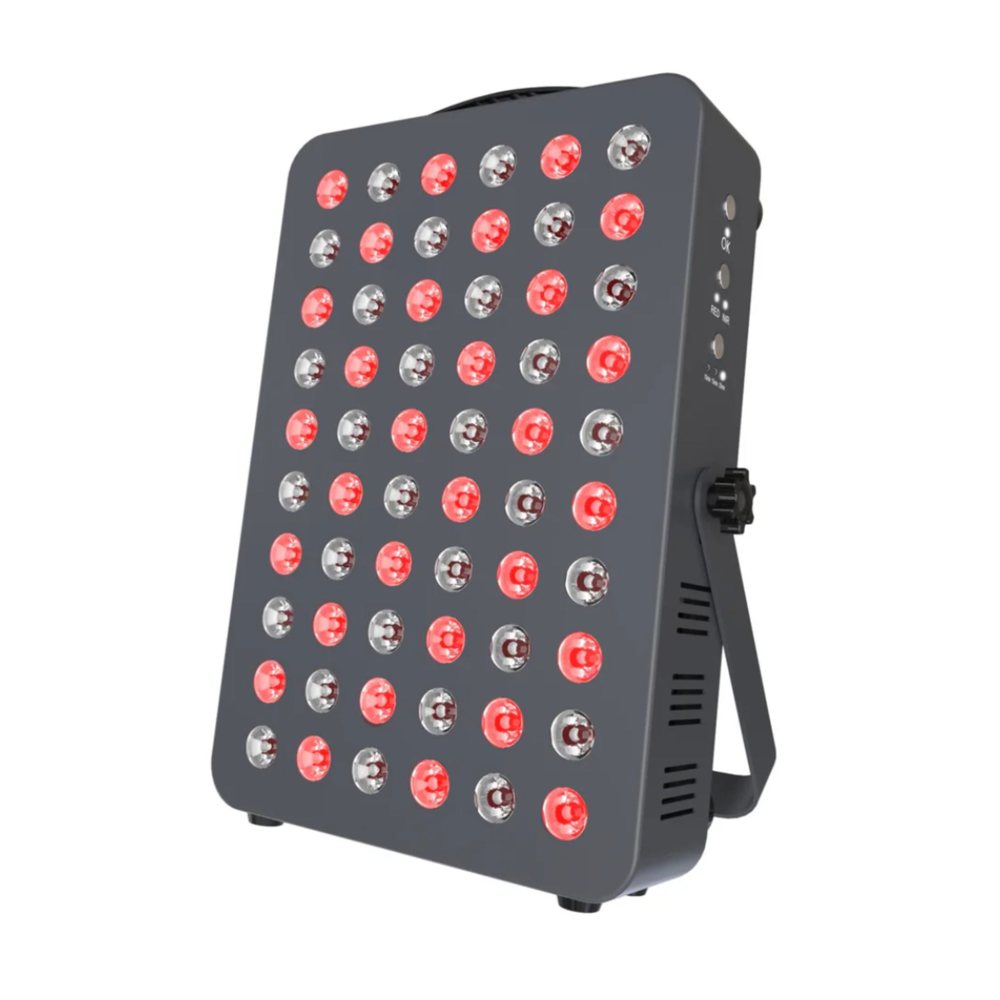
Device picks from the database
What the evidence does not support
The evidence supports symptomatic relief, not cure: light does not regenerate damaged nerves or reverse diabetic neuropathy. People with diabetes also need to be cautious about foot health generally, so any home protocol on the feet should be cleared with a clinician, who should also be checking the skin the therapy is applied to.
Safety and contraindications
Diabetic feet warrant particular care because reduced sensation can mask problems. Use eye protection with high-output panels, avoid photosensitizing medication interactions, and fold light therapy into a clinician-supervised plan rather than self-directing it on compromised tissue.
Frequently asked questions
Does it regrow nerves?
The trial reported symptom improvement, not documented nerve regeneration. Replication across devices and protocols is still needed.
Can red light cure neuropathy?
No. The evidence points to symptom relief (less burning, tingling, numbness), not to reversing nerve damage.
Which wavelength for nerve pain in the feet?
Near-infrared that penetrates: 810 to 850nm, ideally with some 1064nm. Surface reds do not reach the nerve.
For the full trial design and results behind the biomarker changes discussed above, see our review of the 200-patient diabetic neuropathy trial, including what its sham-controlled design does and does not establish.
Methodology: rankings weigh measured or method-stated irradiance, wavelength coverage and published density, buyer terms (trial, restocking, stand, warranty), and value per LED. No brand pays for a position. Full methodology.