Red Light Therapy for Wound Healing: What the Evidence Shows
Evidence grade: Strong
How red light therapy acts on wound healing
Wound healing is one of photobiomodulation's oldest and best-replicated applications, and the mechanism is the most direct fit for the biology. Light absorbed by cytochrome c oxidase (Hamblin, PMC5523874) raises ATP output in the cells doing the repair, triggers a brief release of nitric oxide that improves local blood flow, and modulates reactive oxygen species and inflammatory signaling. The net effect is faster progression through the inflammatory, proliferative, and remodeling phases of healing.
Because the target cells, fibroblasts, keratinocytes, and endothelial cells, respond to this energy boost, controlled studies have shown accelerated closure across surgical wounds, ulcers, and burns. This is adjunct territory used under clinical supervision in the studies, not a substitute for wound care.
What the studies show
| Study | Design | Finding |
|---|---|---|
| PMC5523874 (Hamblin) | Mechanism review | Anti-inflammatory and tissue-repair signaling via cytochrome c oxidase, ATP, and NO release |
| PMID 40090424 | Single-blinded RCT, n=200, 632.8nm laser, diabetic neuropathy | Improved neuropathy symptoms; notable for its sample size |
Mechanism and tissue repair (PMC5523874, Hamblin)
Hamblin's review lays out the repair biology in detail: cytochrome c oxidase absorption, ATP and nitric oxide signaling, and the anti-inflammatory shift that underlies faster healing. It is the mechanistic backbone for why the clinical wound results are plausible rather than coincidental.
Large diabetic-complication RCT (PMID 40090424, n=200)
A single-blinded randomized controlled trial of 200 participants using a 632.8nm laser in diabetic neuropathy reported improved symptoms. Its value here is twofold: the sizeable sample, which is unusual in this field, and its relevance to the impaired-healing, poor-perfusion tissue that wound protocols care about.
Which wavelengths do the work
Surface wounds respond to the red bands at 630 to 660nm, which are absorbed right where the epithelial repair happens, while deeper tissue repair engages 810 to 850nm near-infrared. A panel used adjacently should offer both, but the more important point is clinical: any diagnosed wound, ulcer, or non-healing site belongs in a care plan, with light as a possible addition your clinician signs off on, not a self-directed treatment.
Dosing: distance, time, and frequency
Study protocols were delivered under supervision at controlled doses. For general home use around minor skin recovery, the familiar parameters apply, 6 to 12 inches, 10 to 20 minutes, several sessions weekly, but anything beyond a minor cut should be cleared with a clinician first. The biphasic response matters especially here: overdosing compromised tissue is a real way to do more harm than good.
How it compares with conventional options
PBM is an adjunct to standard wound care, not a replacement for it. Debridement, dressings, offloading, infection control, and glycemic management in diabetic wounds remain the foundation. Where light helps, it does so by speeding a process the standard care is already enabling; used instead of proper wound management, it is both ineffective and risky.
Which panel features matter for wound healing
Surface wounds respond to the red bands (630-660nm); deeper tissue repair engages 810-850nm. Anyone with a diagnosed wound-healing condition should involve their clinician; this is adjunct territory, not replacement.
Device picks from the database
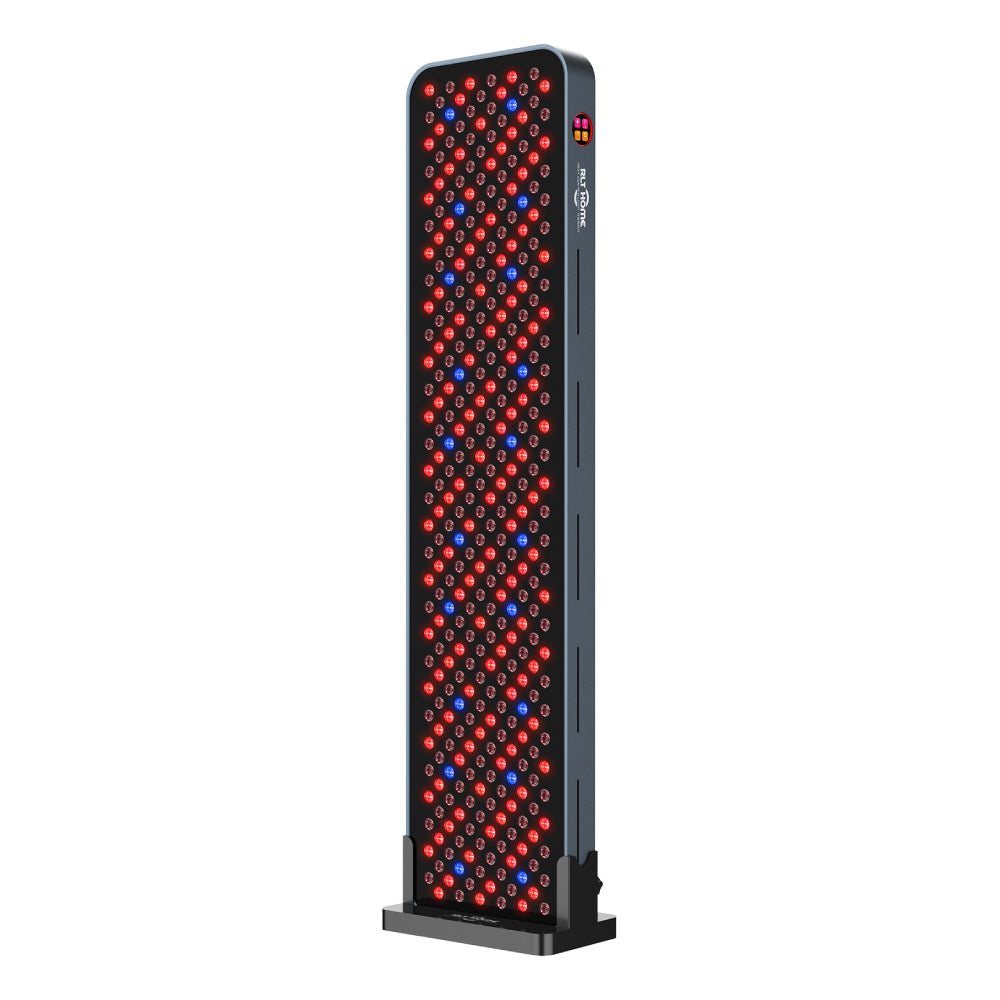
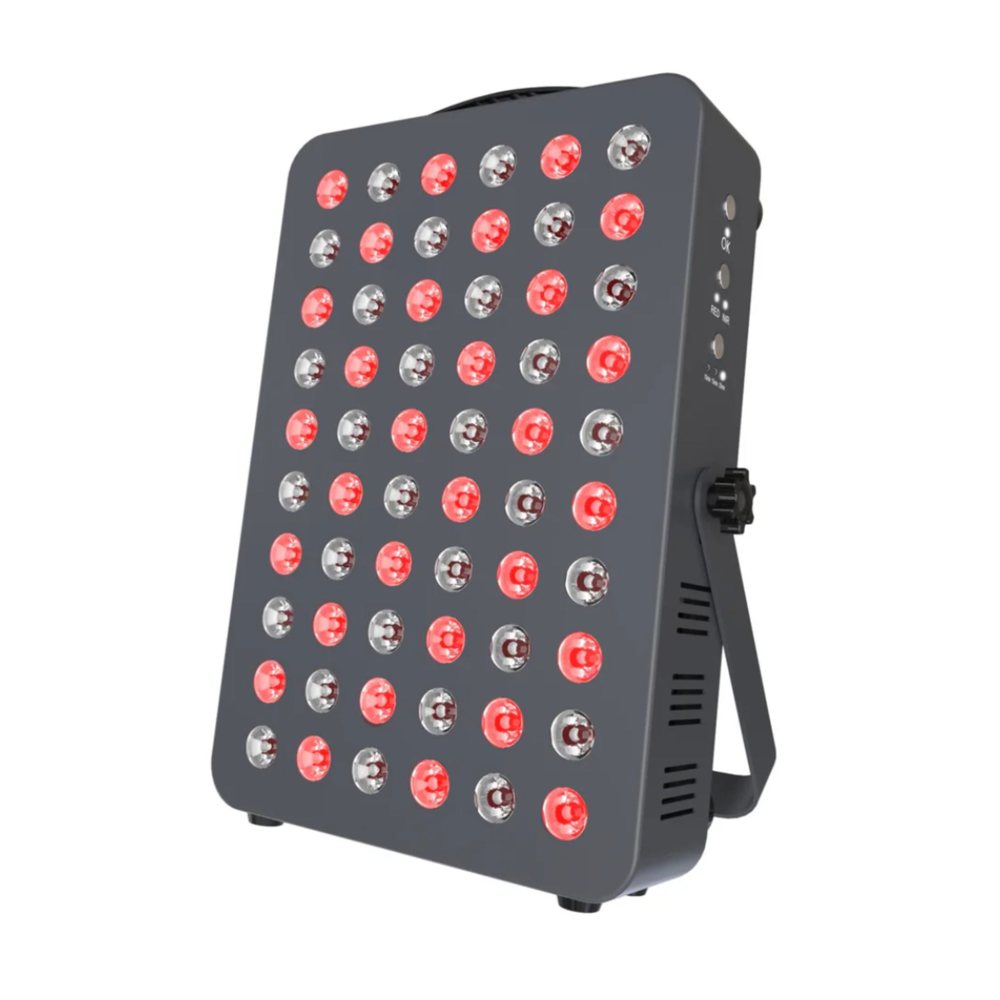
What the evidence does not support
The evidence supports adjunctive use under supervision, not home self-treatment of serious wounds. Light does not disinfect a wound, does not replace dressings or debridement, and cannot compensate for uncontrolled diabetes or infection. Anyone with a chronic or non-healing wound needs medical care; a panel is at most a supervised addition to it.
Safety and contraindications
The central safety point is scope: minor skin recovery is reasonable at home, but diagnosed wounds, ulcers, and any signs of infection need a clinician. Standard cautions apply for photosensitizing medication and for treating over active malignancy, and eye protection is needed with high-output panels.
Frequently asked questions
Is it safe on broken skin?
Studies applied PBM to wounds under clinical supervision. For home use on anything beyond minor cuts, ask a clinician first.
Is it safe to use on an open wound?
In studies, PBM was applied to wounds under clinical supervision. For anything beyond a minor cut at home, ask a clinician first.
Which wavelengths for skin repair?
630 to 660nm for surface tissue, 810 to 850nm for deeper repair. Both are useful; supervision matters more than the exact band for a real wound.
Can it heal a diabetic ulcer on its own?
No. It may be a supervised adjunct, but standard wound care and glycemic control remain essential and come first.
Methodology: rankings weigh measured or method-stated irradiance, wavelength coverage and published density, buyer terms (trial, restocking, stand, warranty), and value per LED. No brand pays for a position. Full methodology.